
Manténgase sano!
- Posted July 27, 2026
FDA Panel Backs Two Peptides For Compounding, Rejects One
A federal advisory panel has recommended allowing compounding pharmacies to make two more unproven peptides while voting to reject a third.
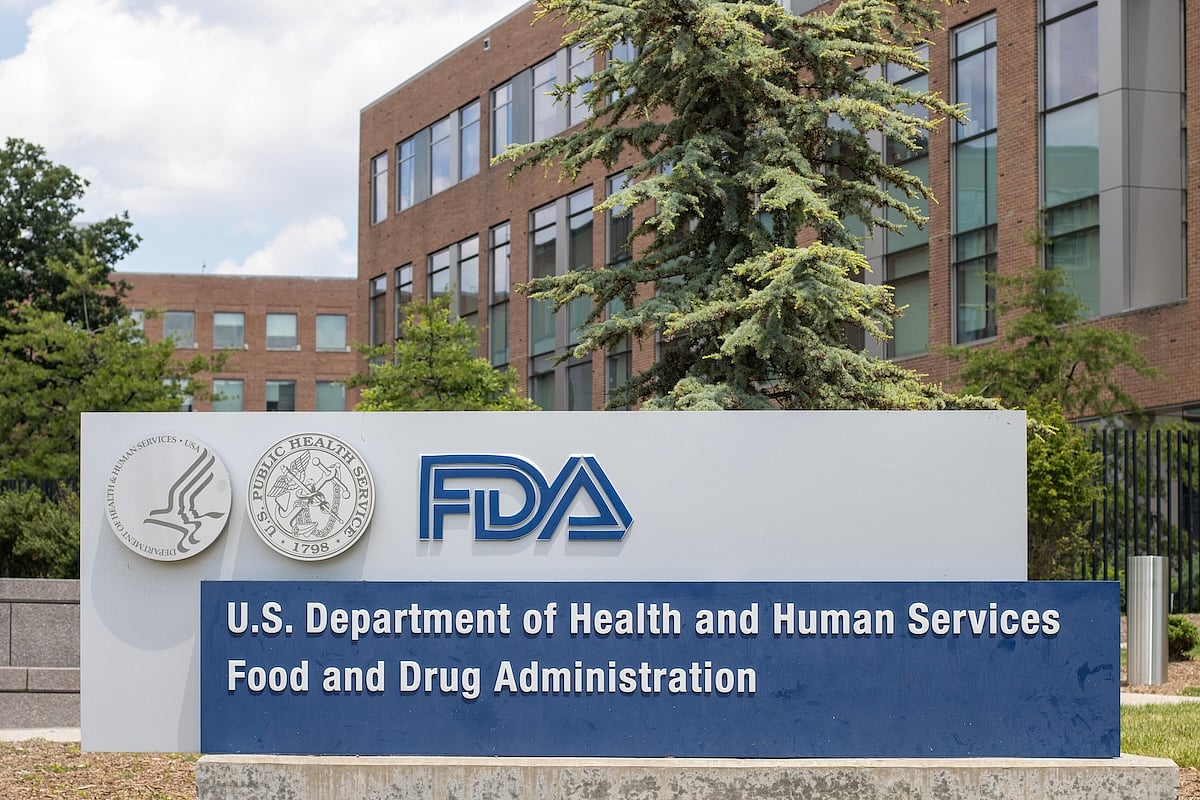
The U.S. Food and Drug Administration (FDA) committee voted Friday to add epitalon and semax to a list of substances that specialized compounding pharmacies can prepare for patients, but narrowly turned down a third compound, emideltide, reports STAT.
The panel had previously voted to recommend four peptides under review on Thursday: BPC-157, KPV, MOTS-c and TB-500.
This is the first time an FDA panel has voted to ease access to unapproved peptides, but the recommendations are just that. They are not yet binding or official through the FDA.
Peptides — short chains of amino acids that signal cells to perform tasks such as reducing inflammation — have surged in popularity, fueled by social media.
Most of the peptides reviewed by the panel last week are injected and have not gone through the FDA's full approval process.
Three peptides were reviewed on day two of the committee’s meeting.
Epitalon, backed 7-4, is marketed for insomnia and longevity.
Semax, backed 8-5, is promoted for migraine and neurological conditions including stroke and facial nerve pain.
Emideltide, rejected 6-7, had been under review for opioid withdrawal, chronic insomnia and narcolepsy.
The most closely watched vote involved epitalon. Some laboratory studies suggest it can lengthen telomeres, a cellular change linked to a longer lifespan. But FDA scientists cautioned that long-term exposure could potentially raise cancer risk, according to The New York Times.
Throughout the two-day meeting, FDA staff recommended the panel reject every peptide, citing a lack of clinical evidence that the compounds are safe or effective, reports STAT.
Adding a substance to the so-called bulk 503A list lets compounding pharmacies make it without further agency review. Once a compound is listed, officials said, the FDA cannot require makers to submit safety or efficacy data.
"I don't think that we know what the potential explosion of use would look like," Matthew Lash, an FDA compliance official, said during Friday's hearing, according to The Times.
Panelists who voted yes, many of whom run clinics that sell peptides, said they were focused on patients seeking the treatments rather than on formal approval standards.
"As a physician, my view is through the lens of the patient in front of me," said Dr. Asare Christian, founder of a Philadelphia-area clinic that offers peptides, who voted for every compound.
Emideltide drew more caution. A sleep-inducing substance produced naturally in the brain, it acts on the opioid pathway, prompting some panelists to worry about addiction.
David Pope, a pharmacy executive at XiFin in Georgia who had supported the earlier peptides, voted against emideltide, citing "potentially dangerous downstream consequences," reports STAT.
The recommendations are not binding. The FDA has said it will publish its final decision as a proposed rule and open a public comment period, both outlets reported.
U.S. Health Secretary Robert F. Kennedy Jr., who oversees the FDA, has long pushed to lift the peptide restrictions.
More information
Visit the U.S. Food and Drug Administration for more information about drug compounding and safety.
SOURCES: STAT, July 24, 2026; The New York Times, July 24, 2026


